

 العربية
Mar
Digital Marketing
7 Powerful Insights From a Career Personality Test That Can Transform Your Future
Choosing the right career path is one of the most important decisions people make in their lives. Yet, many individuals feel uncertain about which profession truly matches their strengths and preferences. This is where a career personality test becomes extremely valuable.
A personality-based career assessment can reveal insights about how you think, interact, make decisions, and approach work. By understanding these patterns, individuals can make smarter career choices, avoid unsuitable roles, and discover opportunities that align with their natural tendencies.
Many professionals and career advisors now recommend taking a career personality test as a starting point for career planning. These assessments help individuals identify their work style, communication preferences, leadership tendencies, and problem-solving approaches.
For example, if you’re interested in understanding your decision-making style and operational identity at work, you can explore this helpful assessment.
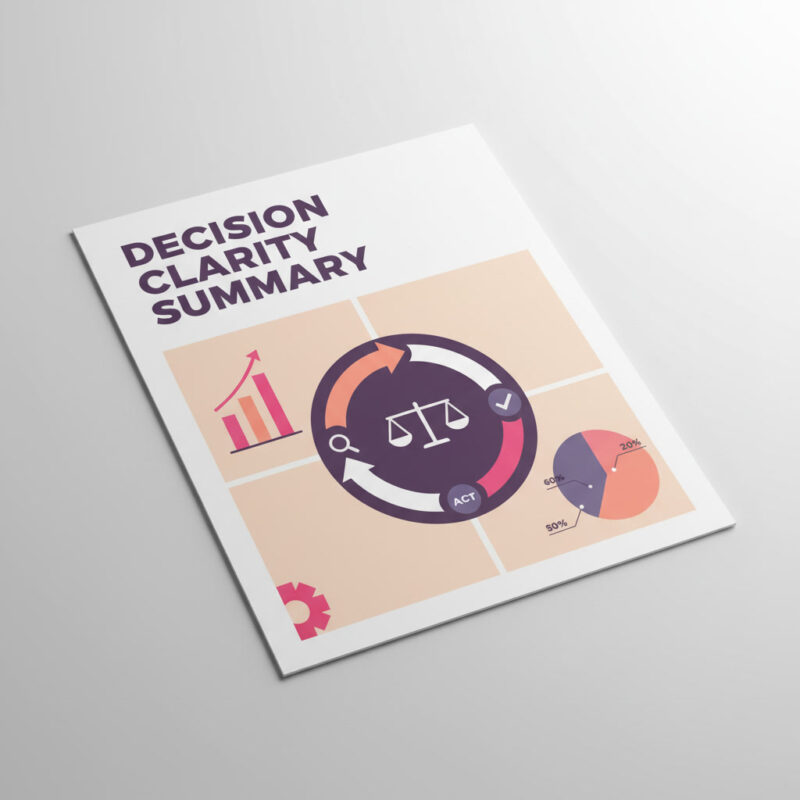
This interactive evaluation provides valuable insight into how you operate professionally and can guide your career development decisions.
In this article, we’ll explore everything you need to know about personality-based career assessments, including how they work, why they matter, and how you can use them to build a more fulfilling professional future.
Understanding the Concept of a Career Personality Test
A career personality test is a structured assessment designed to evaluate personal traits, behavioral tendencies, interests, and cognitive preferences that influence career satisfaction.
Rather than focusing only on skills or qualifications, these tests analyze deeper psychological characteristics that affect how people work and interact in professional environments.
What a Career Personality Test Measures
Most personality-based career assessments evaluate several important factors, including:
- Decision-making style
- Communication preferences
- Leadership tendencies
- Problem-solving approaches
- Motivation drivers
- Work environment preferences
These factors help determine which career paths are likely to provide the most satisfaction and productivity.
For instance, someone who thrives on structure and organization may excel in operations management or project coordination roles. Meanwhile, someone who enjoys creative freedom may perform better in design, marketing, or entrepreneurship.
Why Personality Matters in Career Selection
Many people choose careers based on salary potential, social expectations, or academic background. However, ignoring personality compatibility often leads to dissatisfaction or burnout.
Personality influences:
- How people collaborate with teams
- How they respond to stress
- Whether they prefer structure or flexibility
- Their approach to problem-solving
A job that aligns with your personality naturally feels more rewarding and sustainable.
The Science Behind Personality-Based Career Assessments
Career personality tests are not random questionnaires. Most are based on well-established psychological theories developed through decades of research.
These frameworks help psychologists categorize human behavior patterns and connect them to professional environments.
Popular Personality Frameworks Used in Assessments
Several well-known personality models are commonly used in career tests:
1. Holland Code (RIASEC Model)
This framework categorizes individuals into six personality types:
- Realistic
- Investigative
- Artistic
- Social
- Enterprising
- Conventional
Each type corresponds with specific career environments.
2. Big Five Personality Traits
This model measures five fundamental personality dimensions:
- Openness
- Conscientiousness
- Extraversion
- Agreeableness
- Neuroticism
These traits influence workplace behavior and job satisfaction.
3. Myers-Briggs Type Indicator (MBTI)
The MBTI categorizes people into 16 personality types based on how they perceive information and make decisions.
Each type is associated with specific career tendencies.
Reliability and Validity of Personality Tests
Modern assessments undergo extensive research to ensure reliability and accuracy.
However, experts emphasize that personality tests should be used as guidance tools rather than strict career rules. They provide direction, not rigid limitations.
According to research published by the American Psychological Association, personality-based assessments can significantly improve career satisfaction when combined with self-reflection and career counseling.
You can explore more about personality psychology through resources like this
Key Benefits of Taking a Career Personality Test
Taking a personality-based career assessment offers many advantages, especially for individuals seeking clarity in their professional journey.
Discovering Strengths and Weaknesses
Self-awareness is one of the most powerful benefits.
A good personality test reveals:
- Natural strengths
- Behavioral tendencies
- Blind spots
- Growth opportunities
Understanding these elements allows individuals to develop strategies for improvement and career advancement.
Identifying Ideal Work Environments
Not every workplace culture suits every personality.
Some people thrive in fast-paced, high-pressure environments, while others prefer calm, structured settings.
A personality test can help identify whether you prefer:
- Independent work
- Team collaboration
- Creative environments
- Analytical tasks
- Leadership roles
When work environments match personality traits, employees tend to perform better and feel more fulfilled.
How Career Personality Tests Improve Career Decision-Making
Career decisions can feel overwhelming, especially when there are countless job options available. Personality assessments simplify this process by narrowing down choices that align with individual traits.
Reducing Career Confusion
Many students and professionals struggle with career indecision because they lack clarity about their personal strengths.
A personality test provides structured insight that helps people understand:
- What motivates them
- What kind of work energizes them
- What type of tasks do they naturally excel at
This clarity reduces the stress associated with career uncertainty.
Aligning Personal Values With Professional Paths
Beyond personality traits, many assessments explore core values such as:
- Independence
- Security
- Creativity
- Leadership
- Social impact
When careers align with personal values, individuals are more likely to feel motivated and satisfied.
Who Should Take a Career Personality Test
Personality-based career assessments are valuable for people at different stages of their professional journey.
Students and Graduates
Students often face pressure to choose academic majors or career paths without fully understanding their strengths.
A personality assessment can help them:
- Select suitable study programs
- Explore career options early
- Avoid costly career changes later
Professionals Considering Career Changes
Many professionals eventually realize that their current job does not align with their personality.
Career tests can help identify alternative paths that better match their preferences and work styles.
They also support career transitions by highlighting transferable skills.
Using Online Assessments to Discover Your Work Style
The rise of digital platforms has made personality testing more accessible than ever.
Online assessments offer quick insights that individuals can use to better understand their professional identity.
Benefits of Interactive Online Career Tests
Online tests offer several advantages:
- Easy accessibility
- Immediate results
- Detailed personality insights
- Personalized career recommendations
Many of these tools also include interactive feedback that helps individuals explore how their traits influence workplace performance.
Example: Operational Identity & Decision Style Assessment
If you’re curious about how your personality influences your work decisions, one helpful tool is the Operational Identity & Decision Style Assessment.
You can try it here
This assessment helps identify how you approach operational decisions, manage responsibilities, and interact with work processes.
Understanding these elements can provide valuable insight into which roles or industries may suit you best.
Practical Steps After Completing a Career Personality Test
Taking the test is just the first step. The real value comes from applying the insights to your career planning.
Setting Career Goals Based on Results
Once you understand your personality traits, you can create a career roadmap that includes:
- Short-term learning goals
- Skill development plans
- Industry exploration
- Networking strategies
This structured approach helps transform insights into real career progress.
Developing Skills That Match Your Personality
Personality insights can guide skill development.
For example:
- Analytical personalities may focus on data or research skills
- Social personalities may develop leadership or communication abilities
- Creative personalities may pursue design or innovation roles
Aligning skill development with personality strengths accelerates career growth.
Limitations of Career Personality Tests
While personality assessments are useful tools, they are not perfect predictors of career success.
Personality Can Evolve Over Time
People grow, learn, and adapt throughout their lives.
Experiences, education, and personal development can influence personality traits over time.
Tests Should Complement Other Career Tools
For best results, personality tests should be combined with:
- Career counseling
- Skills assessments
- Industry research
- Practical experience
Together, these tools create a more complete picture of career potential.
Tips for Getting the Most Accurate Test Results
To gain meaningful insights from a career personality test, it’s important to approach the assessment correctly.
Answer Honestly and Without Bias
Avoid answering based on what you think employers want.
The most accurate results come from honest responses that reflect your natural behavior.
Take Tests in a Calm Environment
Distractions can affect how you interpret questions.
Choose a quiet place where you can focus on each question carefully.
The Future of Career Personality Testing
Career guidance tools are rapidly evolving as technology advances.
AI and Data-Driven Career Guidance
Artificial intelligence now allows platforms to analyze personality data alongside job market trends.
This combination enables more accurate career recommendations.
Personalized Career Development Platforms
Future platforms will likely integrate:
- Personality testing
- Skills tracking
- Career coaching
- Learning pathways
These systems will create highly personalized career development plans.
FAQs About Career Personality Tests
1. What is a career personality test?
A career personality test is an assessment designed to identify personality traits, preferences, and behaviors that influence career satisfaction and job performance.
2. Are career personality tests accurate?
Most well-designed assessments are scientifically researched and provide valuable insights. However, they should be used as guidance tools rather than absolute answers.
3. How long does a career personality test take?
Most online tests take between 10 and 30 minutes, depending on the number of questions.
4. Can personality tests really help choose a career?
Yes. They help individuals understand their strengths, work styles, and preferences, which can guide more informed career decisions.
5. Should professionals take a career personality test?
Absolutely. Many professionals use these tests to explore career changes, leadership development, or personal growth.
6. What should I do after taking a personality test?
After completing the test, review your results carefully, explore recommended careers, and create a plan for skill development or career exploration.
Choosing the right career path can feel overwhelming, but tools like a career personality test can provide valuable guidance.
By understanding your personality traits, decision-making style, and work preferences, you can make more informed career choices and pursue opportunities that align with who you truly are.
Personality assessments are not about labeling or limiting yourself—they are about discovering strengths and identifying environments where you can thrive.
If you want to gain deeper insight into your professional decision-making style, consider trying this assessment
It may reveal insights that help shape a more fulfilling and successful career journey.